
Beathive
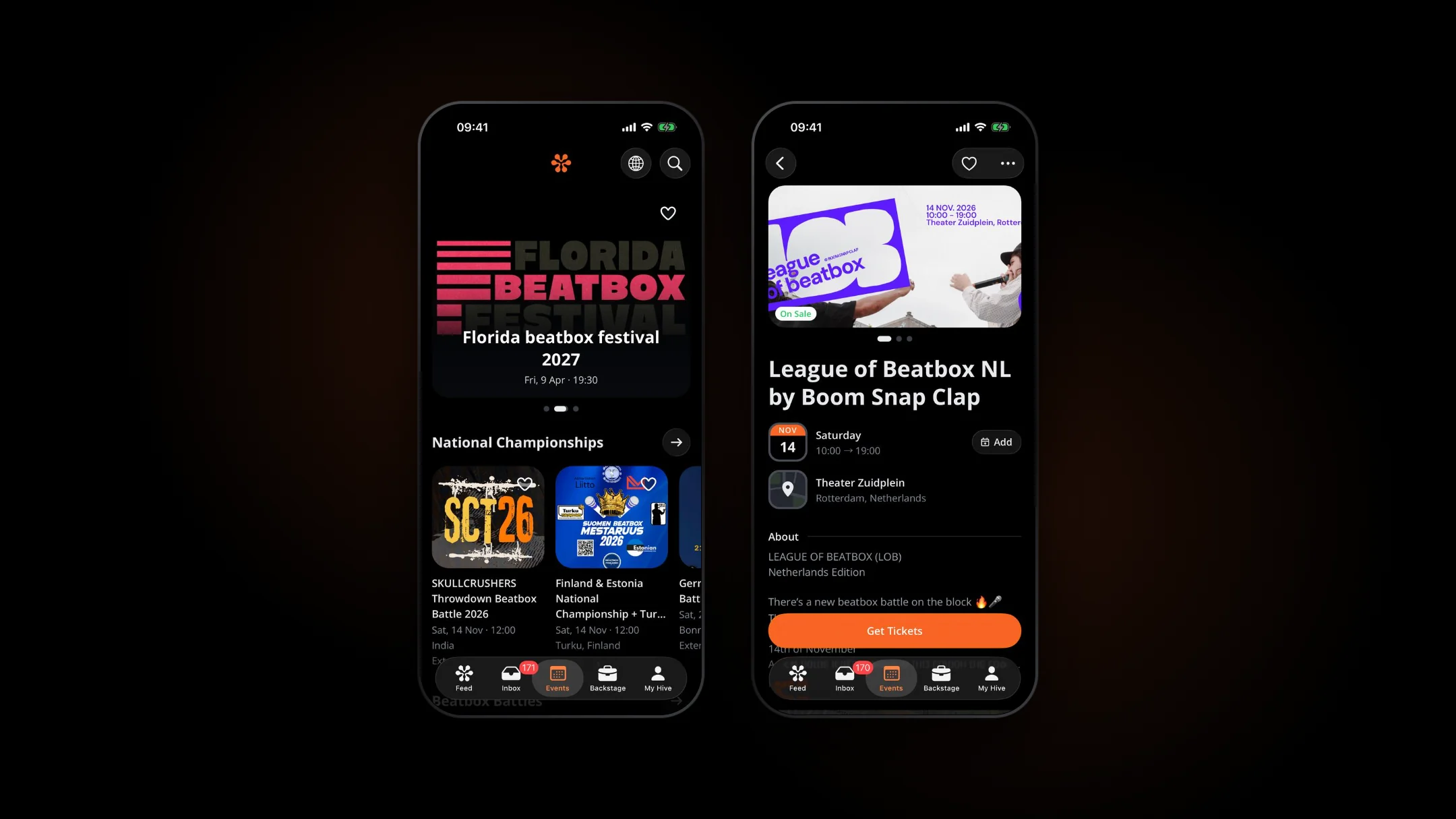
Beathive is the home of the beatbox scene: events, tickets and a community feed in one app. It is an independent product, designed and developed end to end: brand identity, interface design, apps for iOS, Android and the web, and the backend and payments behind them.
- Role
- Brand, design & development
- Platforms
- iOS, Android & web
- Stack
- React Native, Expo
- Timeline
- Mar 2025 – today
Context
Beatbox has a worldwide scene of battles, jams, shows and workshops, yet nothing was built for it. Events were announced in scattered posts and group chats, tickets were sold on general ticket sites, and the conversation was spread across social platforms. Too often, people heard about a battle only after it had happened.
Beathive was made to be the one place the scene was missing. It is where people find their next event, buy the ticket and keep talking between shows, from beginners to the names they look up to.


Design principles
- One place for everything: Events, tickets and the conversation share one app and one profile. A post can carry an event, and every event page shows who is hosting it and how their past events were rated.
- Native on every platform: One codebase, with each platform's own controls: Liquid Glass tabs and menus on iOS, Material 3 on Android and a floating glass bar on the web.
- Calm canvas, warm details: The interface stays neutral and uses a single orange, so the event posters bring the color. The personality lives in the details: sticker tiles, 3D icons and small animations.
The event page
Every event page answers the practical questions up front. The date and the venue sit on square sticker tiles: the date adds the event to the calendar, and the map opens directions.
Further down, Good to know lists what to expect at the door, such as age limits, re-entry, loud music, cameras and the refund window. Organizers pick these from fixed options instead of writing them, so every event reads the same way in every language, and each fact has its own 3D sticker.



Venue maps
Every venue has its own map. On the event page it is a small, flat card. Opened full screen, it tilts into 3D with the buildings around the venue, and it can be turned, tilted and zoomed.
The map follows the app's theme, with a day look in light mode and a night look in dark mode. A pill shows how far away the venue is, and Directions hands the route off to Apple Maps or Google Maps.
Tickets and the door
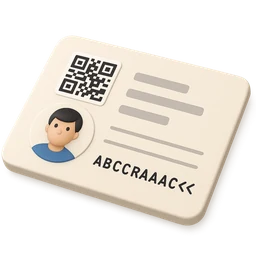
Buying a ticket takes a few taps with Apple Pay, Google Pay or a card, and the price on the event is the price paid, without booking or service fees. Free events take a single tap to RSVP. The ticket lives in the app as a QR code, cut like a real ticket stub.
At the door, organizers and their volunteers scan tickets with the phone camera or enter the code by hand. Backstage keeps count of tickets sold, still available and checked in while the night is running.
Point the camera at a ticket QR, or enter the code manually.
Members, organizers and volunteers
Everyone starts as a member who finds events, buys tickets and posts in the feed. Organizing is a single tap in Settings, with no application and no approval. It opens the Backstage tab and costs nothing. Payouts only come into play for selling tickets on Beathive itself, so a new organizer can publish free events, or link to their own ticket shop, from the first day.
The event page changes with the role. Organizers bring in volunteers by username or email, and a volunteer gets a Scan tickets button for that event and nothing more. The organizer also gets a Manage view with the numbers, the volunteers and the guest list, where refunds are made. Backstage only appears for organizers and volunteers, so the app stays simple for everyone who just comes to the events.
- Find events and buy tickets
- Post in the feed
- Scan tickets at the door
- Publish and edit events
- Add volunteers and refund tickets
- Status
- On Sale
- Date
- Sat, 14 Nov · 19:00
- Tickets sold
- 48
- Available
- 12
- Checked in
- 31
- Live stream
- Not added
Social feed
Between events, the scene lives in the feed. Posts are grouped into channels, from battles and loopstation to gear, beginners and memes, and everyone follows only the channels they care about. The feed sorts by what is new, what is trending, or the top posts of the week, month or year.
Posts stay short, and each one can bring something along: up to five photos, a GIF, an event to share, or a poll. A poll holds up to ten answers, can allow more than one choice, and runs for a day, three days or a week.
In beatbox the sound is the point, so a post can also carry a beat note: a recording of up to 90 seconds with its own waveform, played right in the feed. While recording, warm light runs around the edges of the screen and swells with every sound.
Me five minutes before my first battle
Made for a worldwide scene
The scene is international, so Beathive is too. The app is available in eight languages, from Japanese and Korean to Latin American Spanish and Brazilian Portuguese. What organizers and members write stays in its original language, with a translate option that runs on the device itself.
Organizers sell in their own currency, and every event time follows the venue's clock, so a battle in Tokyo shows the same start time wherever someone looks it up.
Visual identity
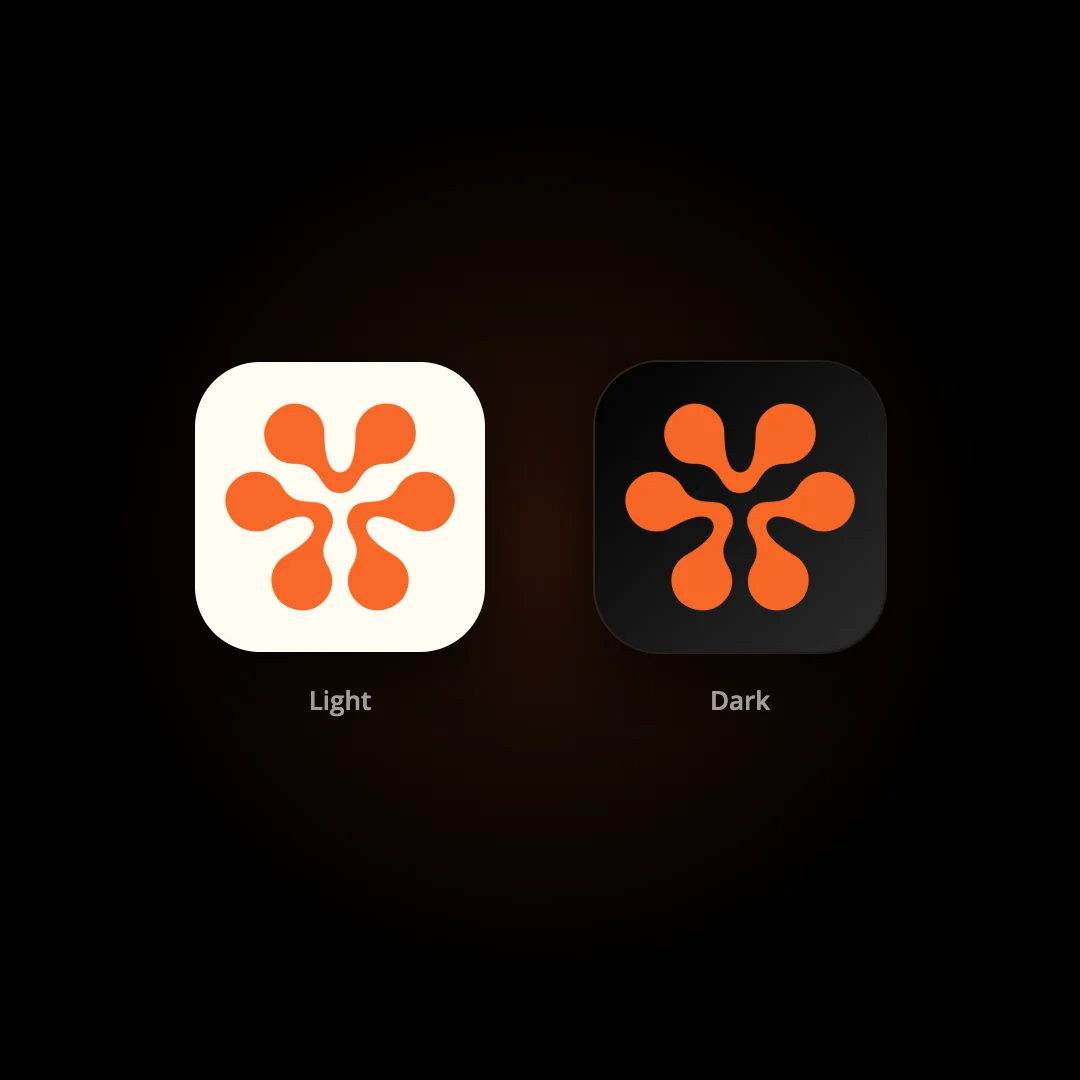
The mark is a single orange shape, kept flat so it can be tinted anywhere, from the header to the Feed tab and the tickets. On iOS it also works as the pull to refresh on the main tabs: pulling down turns it half a turn, and it keeps spinning while the screen reloads.
Open Sans carries all text in three weights. The app comes in light and dark, with a light and a dark app icon to choose from.
Next to the mark, a set of 3D icons adds warmth where the interface would otherwise be plain: on the Good to know stickers, in empty states and on the badges for official accounts and top-rated organizers.
Technical setup
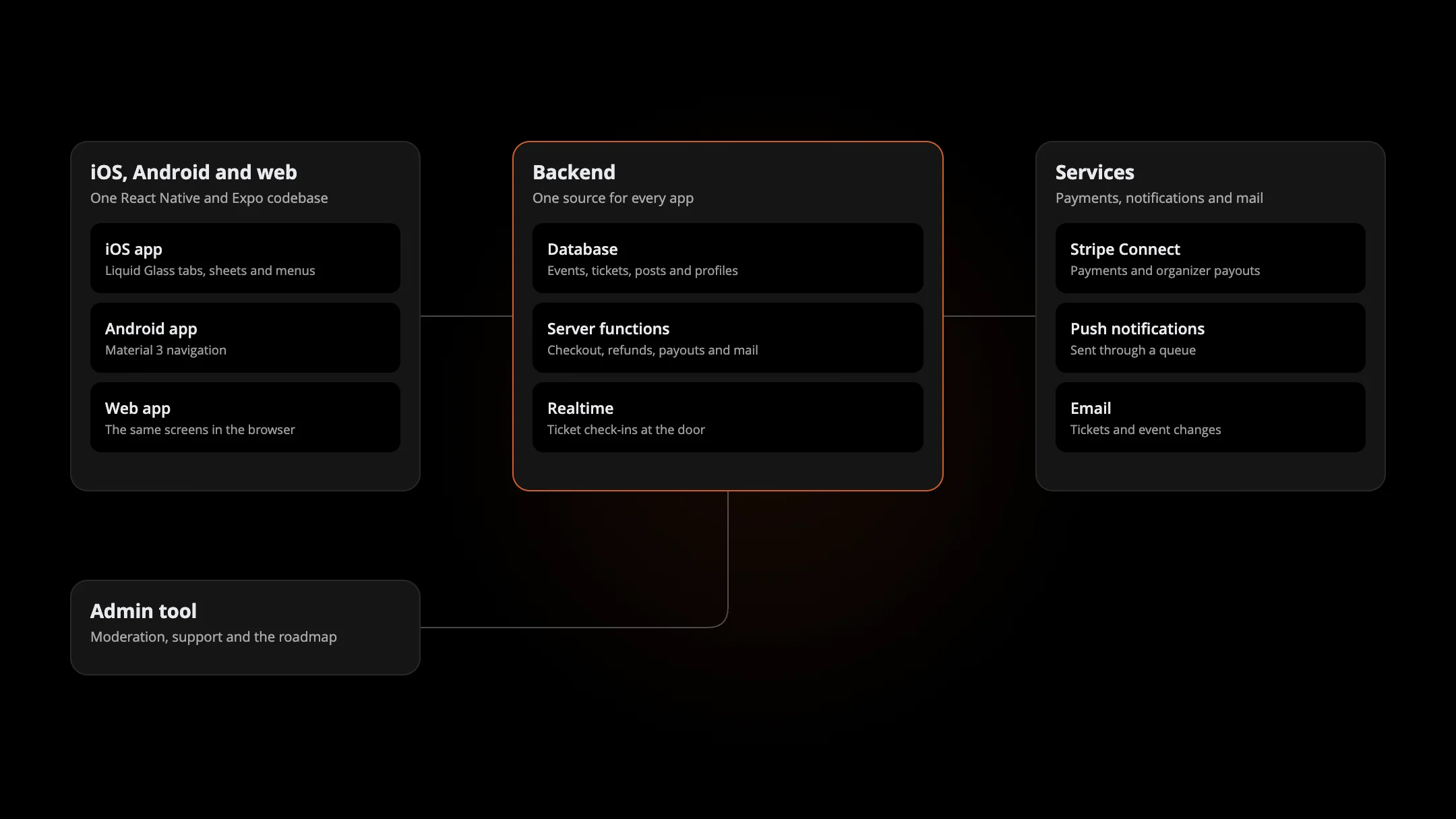
Beathive is one TypeScript codebase for iOS, Android and the web, built with React Native and Expo. Shared packages hold the data layer and business rules, the design system and the icon set, so a feature is written once while each platform keeps its native controls.
One backend serves the three apps and an admin tool for moderation and support. Payments run through Stripe Connect, so each organizer is paid out in their own currency. Ticket scans update the door live, notifications go out through a queue, and every public event page is readable by search engines.
Outcome
Beathive is live on the App Store, on Google Play and on the web.