
Eigabox
Eigabox is an app for tracking films and series. It is an independent product, designed and developed end to end: brand identity, interface design, native apps for iOS and Android, and the backend that connects them.
- Role
- Brand, design & development
- Platforms
- iOS & Android
- Stack
- SwiftUI, Jetpack Compose
- Timeline
- Apr 2025 – today
Context
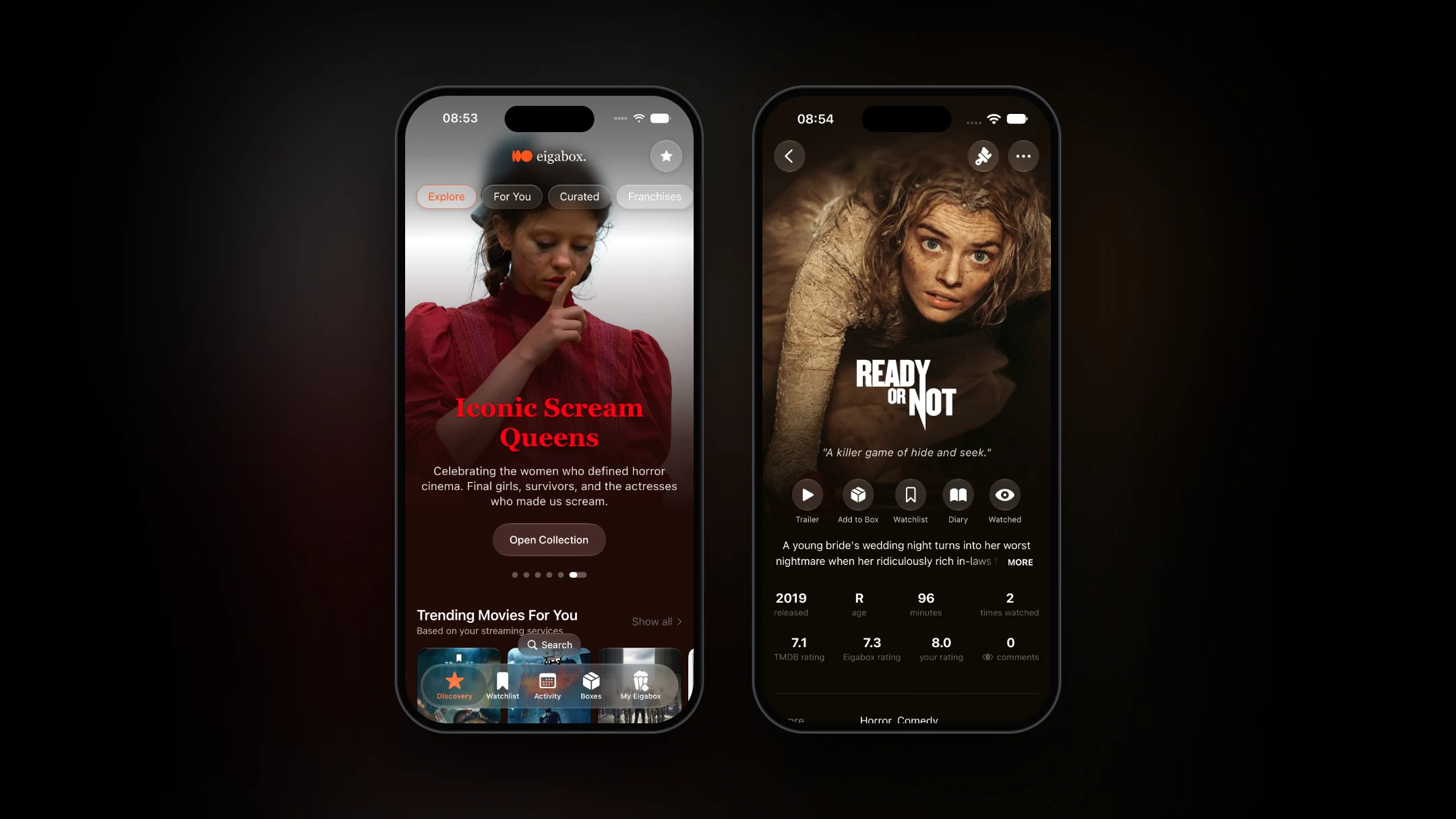
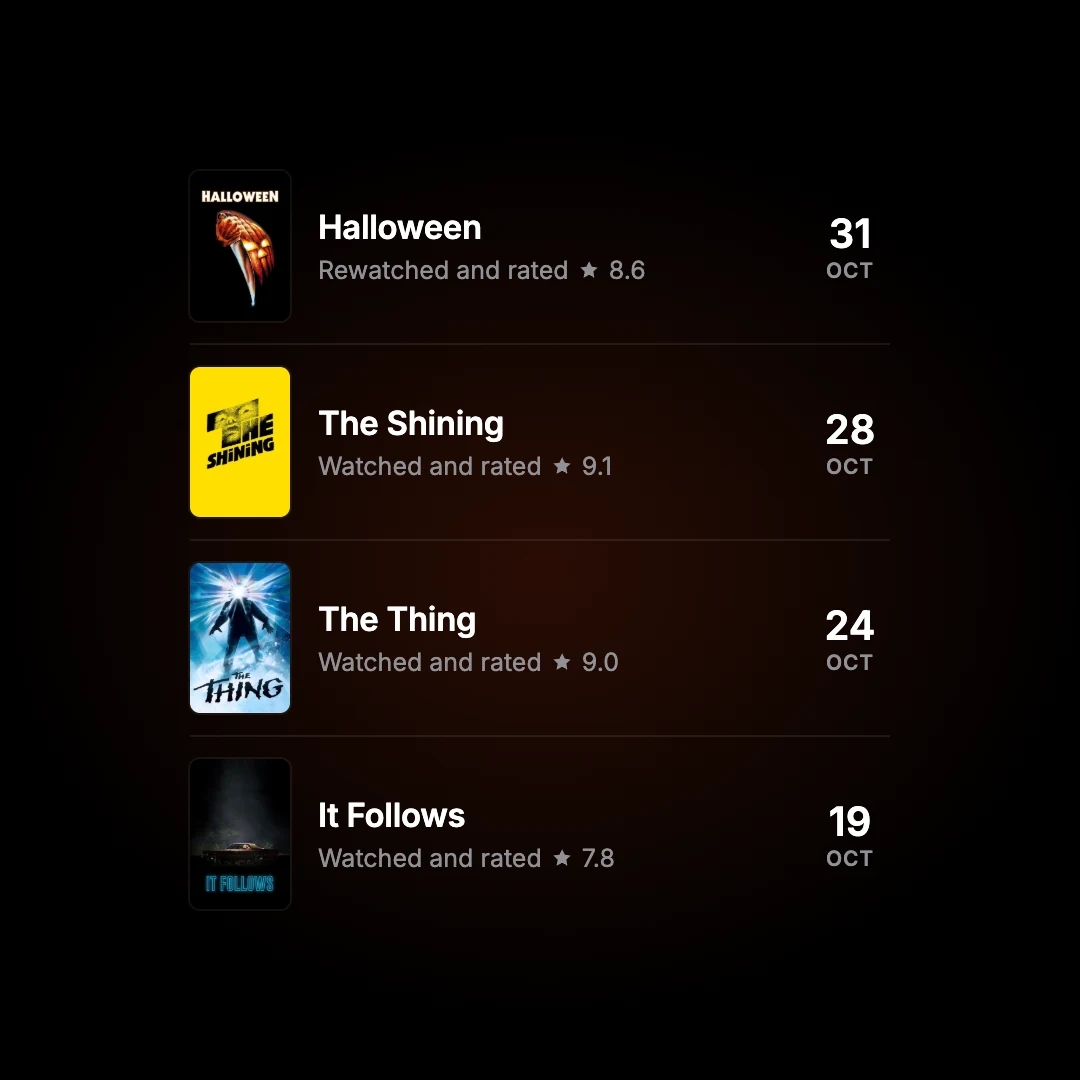
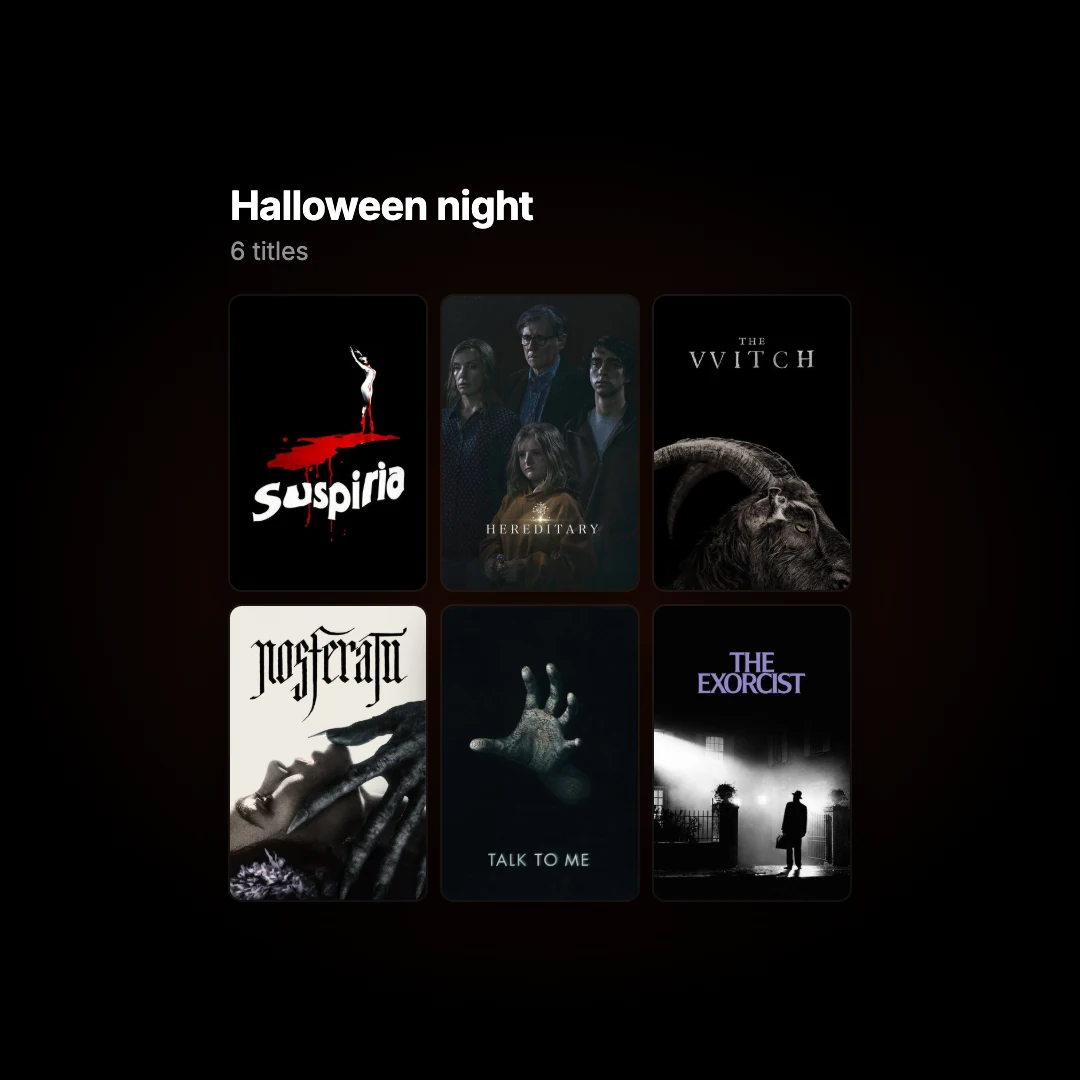
Eigabox is built around a personal diary rather than a catalog or a social feed. Every film or episode that gets logged becomes part of a history, and the rest of the app reads from that history: Boxes for personal collections, statistics and recommendations.
The main challenge was balance. Logging has to be quick enough to do after every film, while the history it builds needs enough structure to stay useful over the years.

Design principles
- Content first: The interface stays black and neutral, and color comes from the artwork. Each title page takes on the palette of its own poster and backdrop.
- One accent: Orange is reserved for emphasis, such as the active tab, a primary action or a chart.
- Native on every platform: SwiftUI and Liquid Glass on iOS, Jetpack Compose on Android.
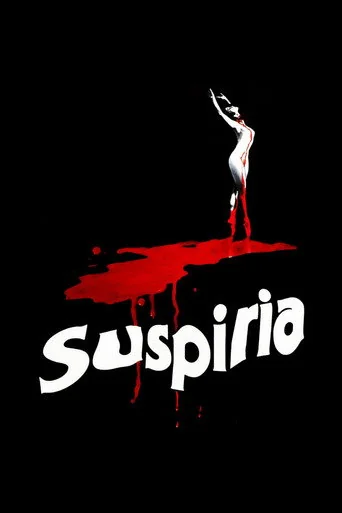 Suspiria1977
 It Follows2015
 Midsommar2019
 Blade Runner1982
 The Odyssey2026
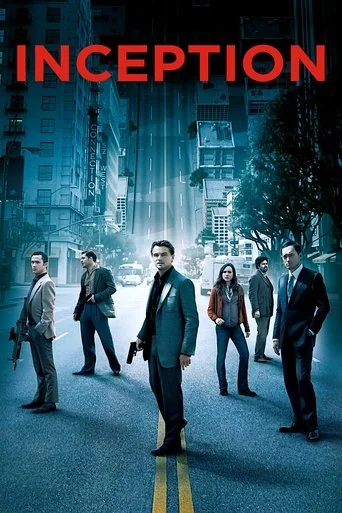 Inception2010
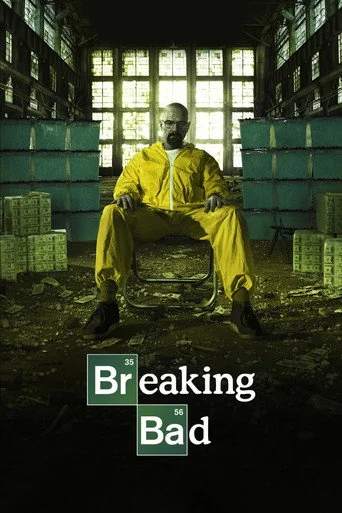 Breaking Bad2008
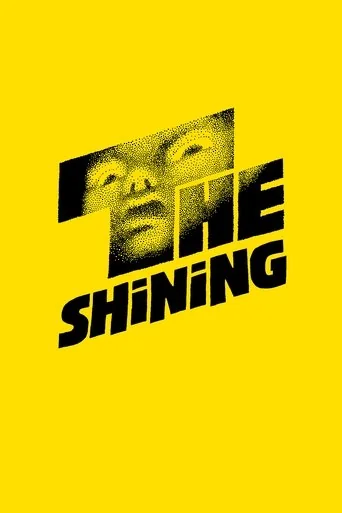 The Shining1980
 Spirited Away2001
Spotlight search
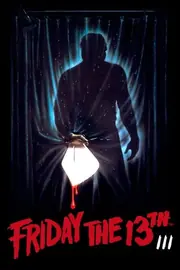
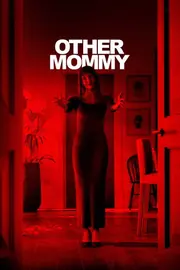
Search is one tap away on every tab and opens Spotlight: one field for movies, TV shows, people and studios, each with its own tab. Results come from Eigabox's own catalog and are forgiving, because titles are typed on a phone. A swapped or missing letter still finds the right film, so "alein" turns up Alien.
Advanced search turns Spotlight into a way to browse. It narrows the catalog by type, original language, genre and the nanogenres inside it, and by streaming service in a chosen country, sorted by popularity or release date. Filters that depend on another only open once that one is set: a nanogenre needs a genre, and a streaming service needs a country.































The title page
Every film and series has a title page, and it is the starting point for logging. The five primary actions (trailer, add to box, watchlist, diary and watched) sit in a single row directly below the artwork, so logging a watch is always one tap away.
Watched opens the log sheet: a like, a rating with one decimal, the date, where and with whom it was watched, and how it felt, picked from a row of animated emotions. Only the watch itself is required, everything else is optional.

"A masterpiece of modern horror."
Your rating will be anonymously contributed to the Eigabox community average.
Taste fingerprint
The For You feed is driven by a model of each person's taste, learned from their diary: the genres they return to, the themes inside the titles they love, the actors and directors they follow and the franchises they finish. A high rating or a like counts for more than a plain watch, and recent entries weigh more than old ones.
Most apps keep such a model hidden. Eigabox draws it as a fingerprint. The ridges are traced along a flow field, so a broad taste forms a whorl and a focused one forms a loop. The outline is a radar of taste axes, such as mainstream or arthouse and contemporary or historical, and the ridge colors come from the genre mix. No two prints are the same, and each one shifts a little with every new entry. Tilting the phone moves a holographic sheen across the ridges.
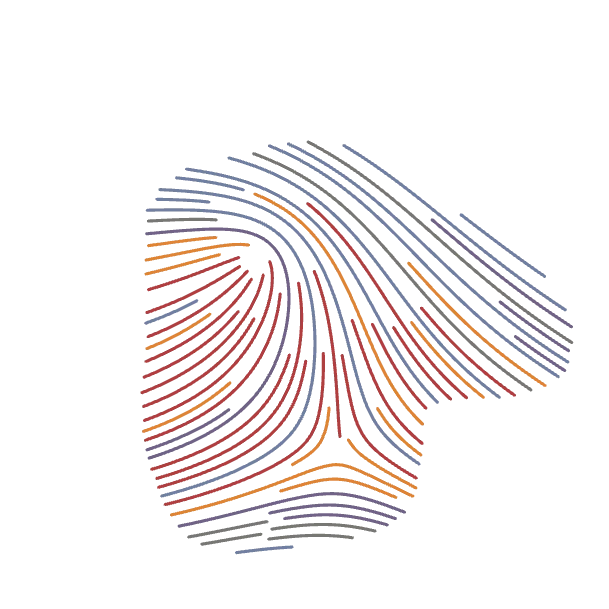
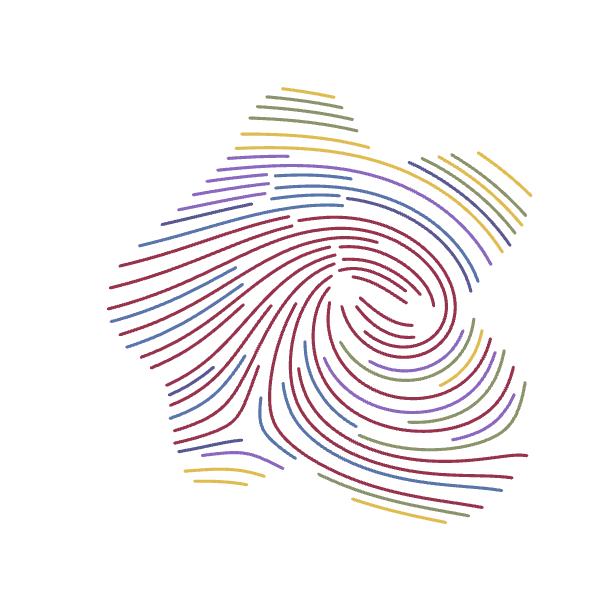
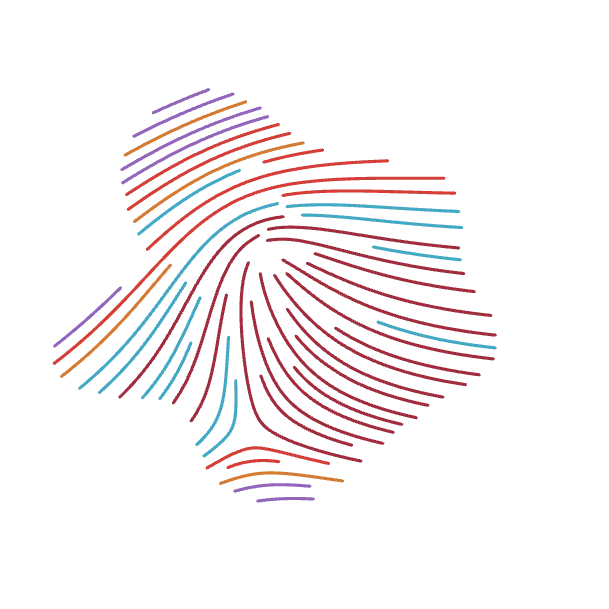
Below the print, a short persona and a breakdown per axis explain what the shape means, so the fingerprint is something to read rather than decoration.
Deep Insights
Deep Insights turns the diary into statistics: rating distribution, viewing habits by month, weekday and hour, a heatmap of every logged day, favorite actors, directors and studios, genres and the smaller themes inside them, and where each title was watched, from cinema to streaming. Everything can be viewed for all time or for a single year.
The summary opens with sentences instead of a wall of numbers. Deep Insights and the fingerprint share one canvas, black fading into deep red, so both views about personal taste feel like a single part of the app.
Physical media
A Box can also be the shelf at home. In a physical Box, every title records how it is owned: on Blu-ray or 4K UHD, as a standard case, a slipcover or a steelbook, and the boutique label that released it, from Arrow and Criterion to A24. Releases that hold several films in one case, such as a trilogy, stay together as a single box set.
Owned copies are drawn the way they look on the shelf. A standard release sits in its case, blue for Blu-ray and black for 4K, with the format logo along the top and the artwork inset like the printed sleeve. Slipcovers get sharp corners, steelbooks keep the plain artwork, and an Arrow release carries the label's logo, just like the real cover.





Visual identity
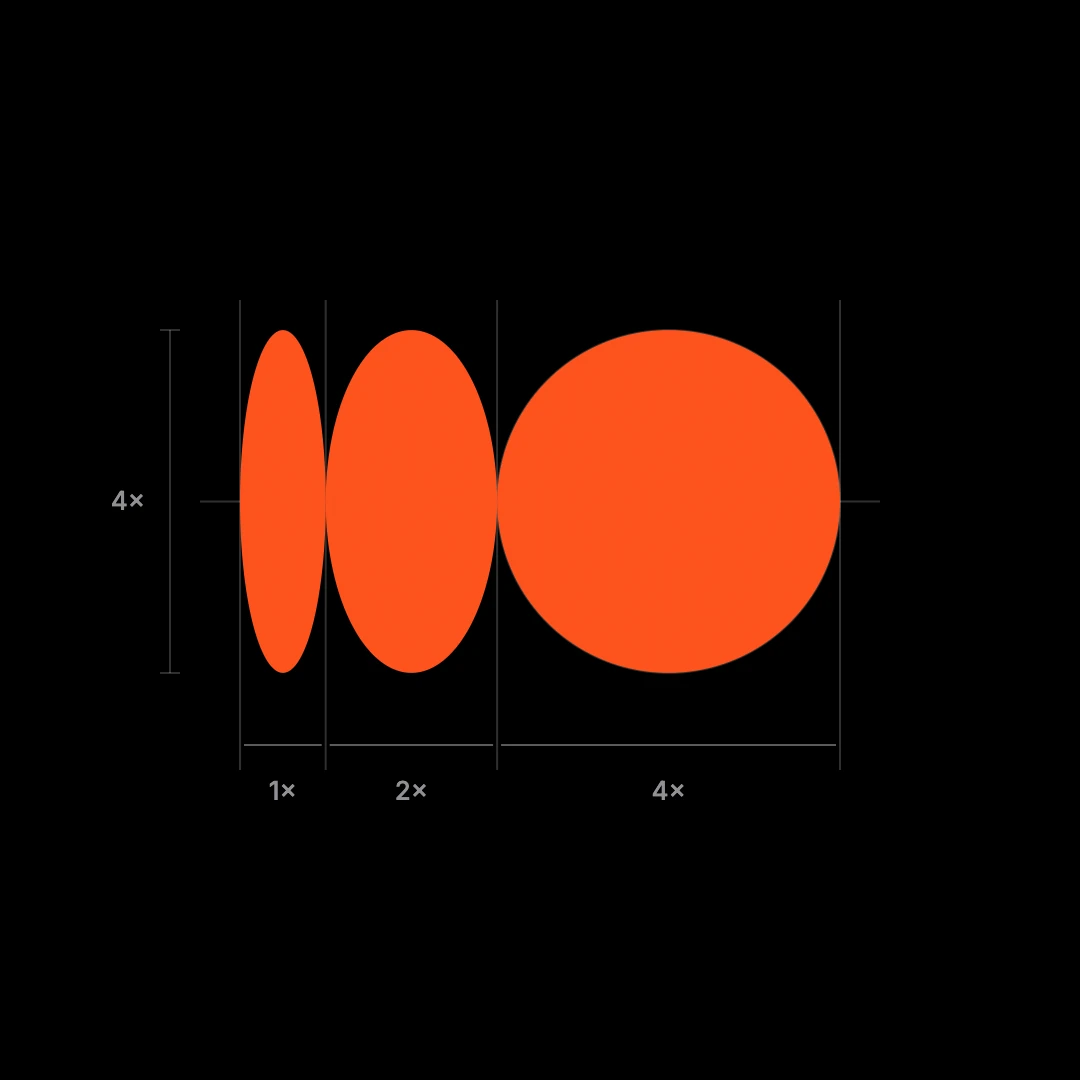
The mark is built from three forms, each twice as wide as the one before, growing from a sliver to a full circle like frames in motion. In the app it actually moves: the loader adds a new sliver while every form grows into the next and the circle shrinks away. The wordmark is set in lowercase, with a full stop.
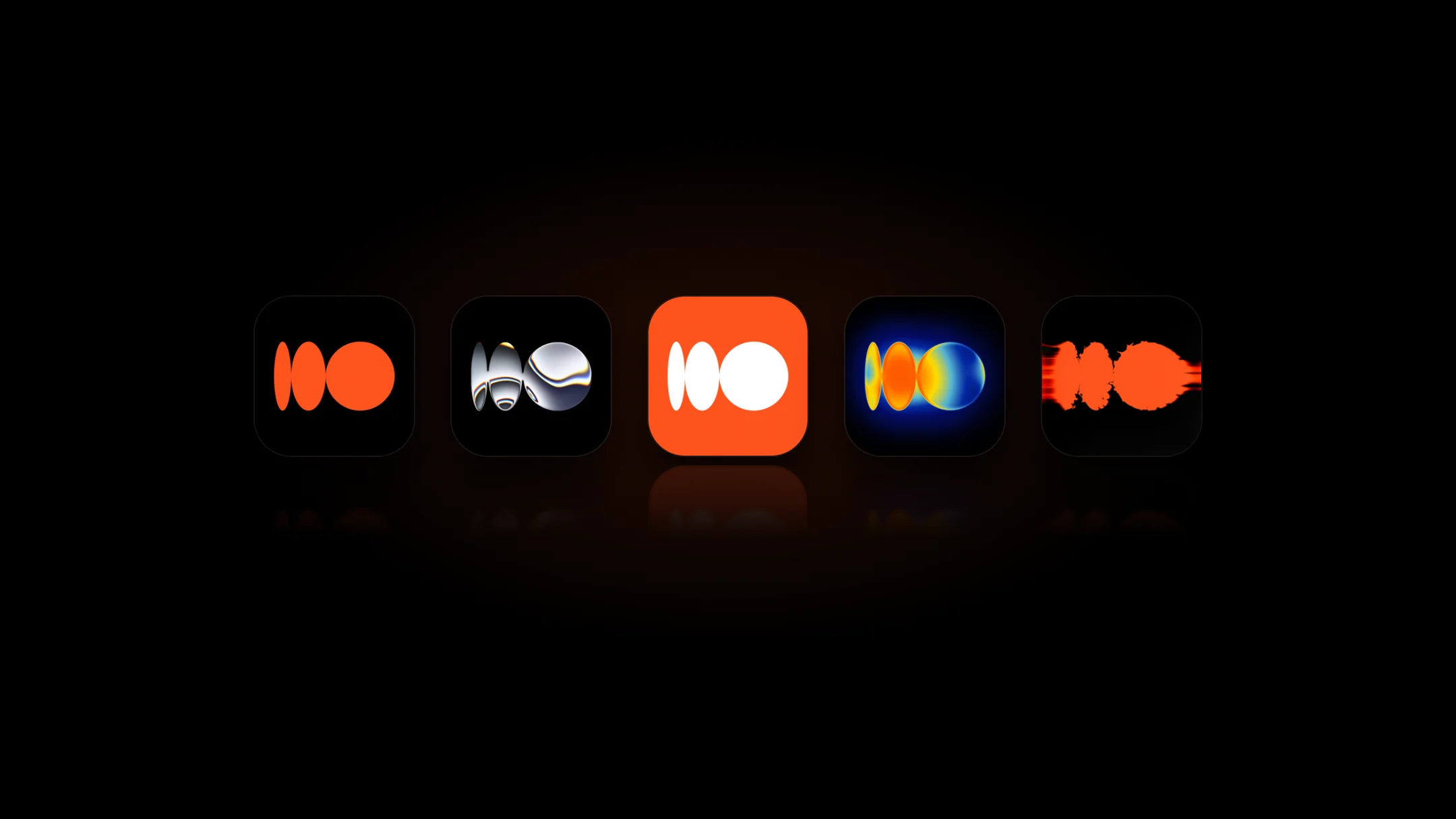
Alternate app icons carry the same mark into different materials, from flat and metallic to heat-mapped and glitched.
Technical setup
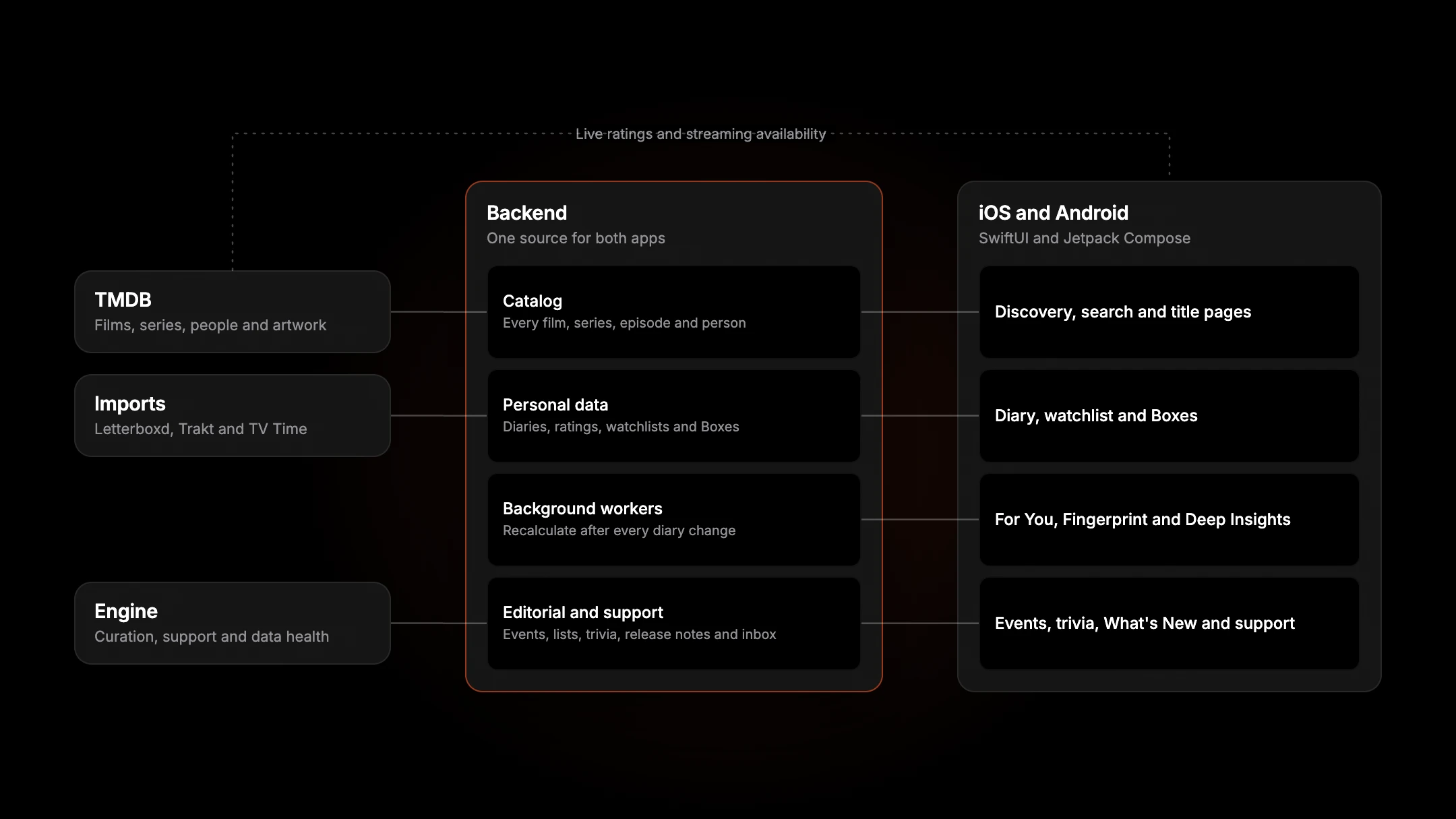
One backend serves both apps. It follows a database-first approach: the catalog of films and series is enriched from TMDB around the clock and stored in Eigabox's own database, so screens load from a single source. Only fast-changing data, such as ratings and streaming availability, comes live from TMDB.
Imports from Letterboxd, Trakt and TV Time are processed on the server as well. Every diary change, logged or imported, queues a recalculation: background workers rebuild For You, the Fingerprint and Deep Insights, so both apps open these screens with a single read instead of a heavy query.
Behind the apps sits Engine, a web admin tool. It is where the curated side of Eigabox is made: seasonal events and curated lists for Discovery, the trivia on title pages and the release notes behind the What's New sheet. It also holds the support inbox for bug reports, messages and feature requests, user and ePass management, comment moderation and the health checks that keep the catalog clean.
Outcome
Eigabox is live on the App Store and Google Play.